
Insurance can't stop a tariff. But it can keep a sick or deceased partner from ending the business at the same time.
Since spring 2026, US tariffs on steel, aluminum, copper and automobiles have been weighing on Quebec's economy, and the situation keeps shifting week to week.
For a business owner already under pressure, this is often the worst time to discover that a partner or a key employee isn't protected.
This article looks at the coverage that actually matters for a business owner right now, and what it really covers.
What does insurance cover for a business owner during a slowdown?
Personal insurance protects against one specific event: a death, a disability, or a critical illness diagnosis, for you or a partner.
It never replaces revenue lost to tariffs. No one can sell you a policy that protects against that.
What it does is keep a health issue for an owner or partner from piling on top of a period that's already hard for the business.
Why Quebec is especially exposed right now

Quebec is one of the provinces hit hardest by current US tariffs, with an effective rate of about 7%, among the highest in Canada (La Presse, 2026).
According to Desjardins estimates, close to 10% of Quebec's exports are affected, which could push the province's growth close to zero for 2026.
Sectoral tariffs mainly target steel, aluminum, copper and automobiles: 25% on automobiles, and up to 50% on metals, depending on ongoing negotiations (La Presse, 2026).
Manufacturing is the most exposed sector, which directly affects SMEs and their employees across several regions of Quebec.
Christine Fréchette, Quebec's premier since April 2026, has called for a "strategic" tariff response.
The government also launched the FORCE program, through Investissement Québec. It supports manufacturing businesses whose revenue drops by 25% or more because of tariffs (Les Affaires, 2026).
Disability insurance: the definition that changes everything for a business owner
Without an employer, a business owner generally has no income protection until they take out their own policy. No group plan fills that gap.
The definition of disability you choose makes all the difference. "Own occupation" covers you if you can no longer do YOUR specific job, even if you could do something else.
"Any occupation" costs less, but pays nothing as long as you could perform any job matching your qualifications, whatever it is.
Premium deductibility matters too. Paid by the business, premiums are often deductible, but benefits then become taxable. Paid personally, it works the other way around.
A slowdown is a good time to check that your coverage amount matches your actual income, not what it was five years ago.
Critical illness insurance: an immediate payout, personal or corporate
Critical illness insurance pays a lump sum on diagnosis, tax-free, regardless of your actual expenses or your ability to work.
In a personal policy, that capital protects your family. In a corporate policy, it protects the business itself if the owner or a key employee receives a diagnosis.
Either way, it pairs well with disability insurance: one provides immediate cash, the other replaces income over the long term.
SMEs hit by tariffs: business continuity can't wait

For a business owner already weakened by tariffs, losing a partner at the same time, to death or disability, can be fatal for the business.
A shareholder agreement, funded by insurance, sets out in advance how to buy out a partner who dies or becomes disabled, at a value fixed ahead of time rather than negotiated under pressure.
Key person insurance protects the business itself: it pays out a lump sum if an employee essential to your operations or client relationships becomes unable to work.
These protections cost proportionally less to put in place before a crisis than after, once the risk becomes obvious to everyone, including the insurer.
What each policy covers (and doesn't)
| Insurance | What it covers | What it doesn't cover |
|---|---|---|
| Individual disability | Inability to work due to illness or accident | Job loss or business closure |
| Critical illness (personal) | Diagnosis of a covered critical illness | Financial stress without a medical diagnosis |
| Critical illness (corporate) | Diagnosis affecting the owner or a key employee | Loss of business revenue itself |
| Corporate life (key person) | Death of an owner or essential employee | Voluntary departure or termination |
| Shareholder agreement | Death or disability of a partner | Disputes between healthy partners |
None of these replace one another. It's their combination, matched to your business structure, that forms a real safety net.
Alexandre's role in this period
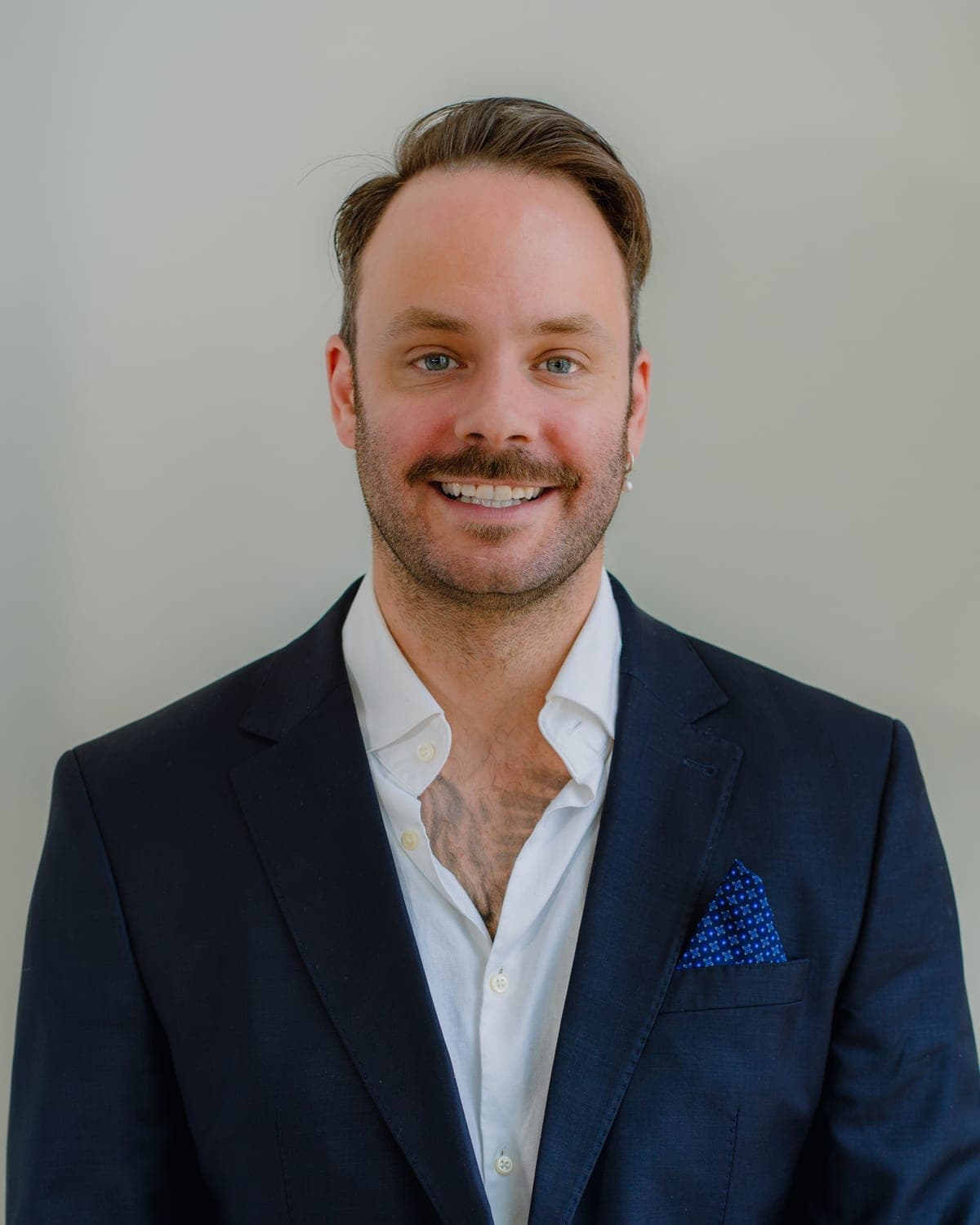
Alexandre Garneau, Financial Security Advisor registered with the AMF #272275, can't do anything about US tariffs. No one can.
What he can do is review your current coverage with you: amounts, definitions, beneficiaries, and whether they still match your business's reality.
This review is free and pressure-free. The goal isn't to sell more insurance, but to make sure what you already have still does the job.